

This motorcycle SatNav changed the way I navigate
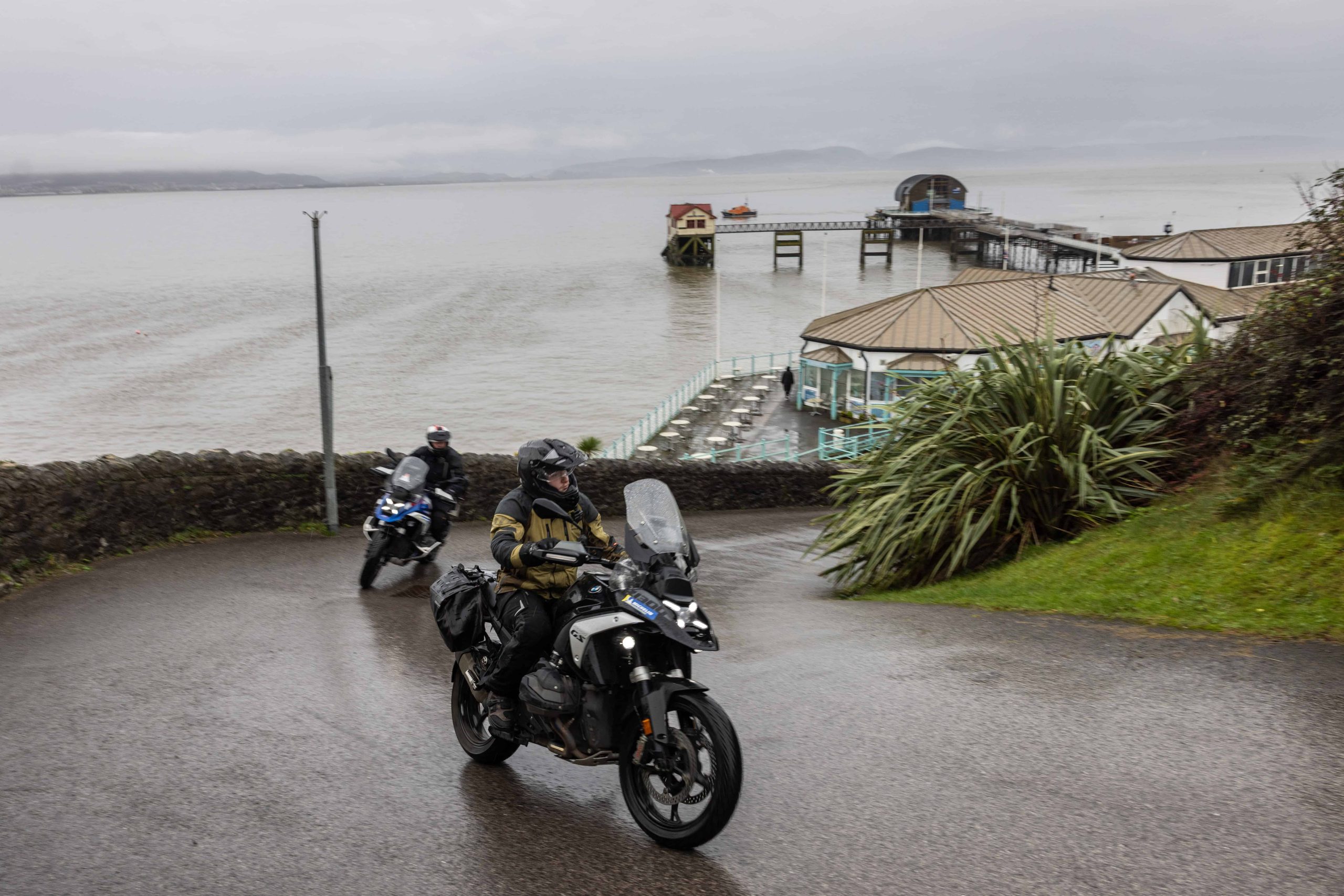
Some might say it was a gamble. I’d prefer to think I had a lot of faith in Beeline when I used the brand’s Moto II SatNav to circumnavigate Wales for ABR, despite never having encountered the device before.
Added pressure came from the fact the ride was called the Lap of Wales Challenge, and my mission was to complete the route in 48 hours. Oh, and there was a videographer filming the whole thing too.
But I needn’t have worried, because the Moto II turned out to be an absolute gem of a SatNav, never once sending me in the wrong direction and proving a reliable companion throughout.
And I loved the fact I didn’t spend the entire journey staring at my phone screen watching a thin blue line. Instead, the Moto II added a sense of adventure to finding my way on the challenge, and using it has changed the way I navigate.
You can watch the Lap of Wales Challenge video below, but in the meantime I caught up with Tom Putnam, one of the company’s co-founders, to find out how the device came to be, what makes it different from a conventional SatNav, and how riders can get the most out of using one on their own adventures.

ABR: Hi Tom, what was the original problem Beeline was trying to solve for motorcyclists when you first started out?
Tom Putnam: Distraction. We’re fundamentally about helping people to love riding. While there are loads of navigation solutions out there, from Google Maps to TomToms, they tend to be over featured, demanding your attention and so taking away from the ride. We aim to create navigation that you barely notice is there.
ABR: That’s exactly how it felt on the Lap of Wales Challenge. So, how did you arrive at the idea of simplifying navigation rather than adding more information?
TP: Initially through limited resources. Ten years ago, Mark and I built the first prototypes ourselves, so we had to be very thoughtful about what we focused our efforts on. This resulted in just the bare minimum we felt you needed to navigate effectively. Since then, we’ve maintained the ethos of simpler is better, and having a small team helps us to stay true to that.
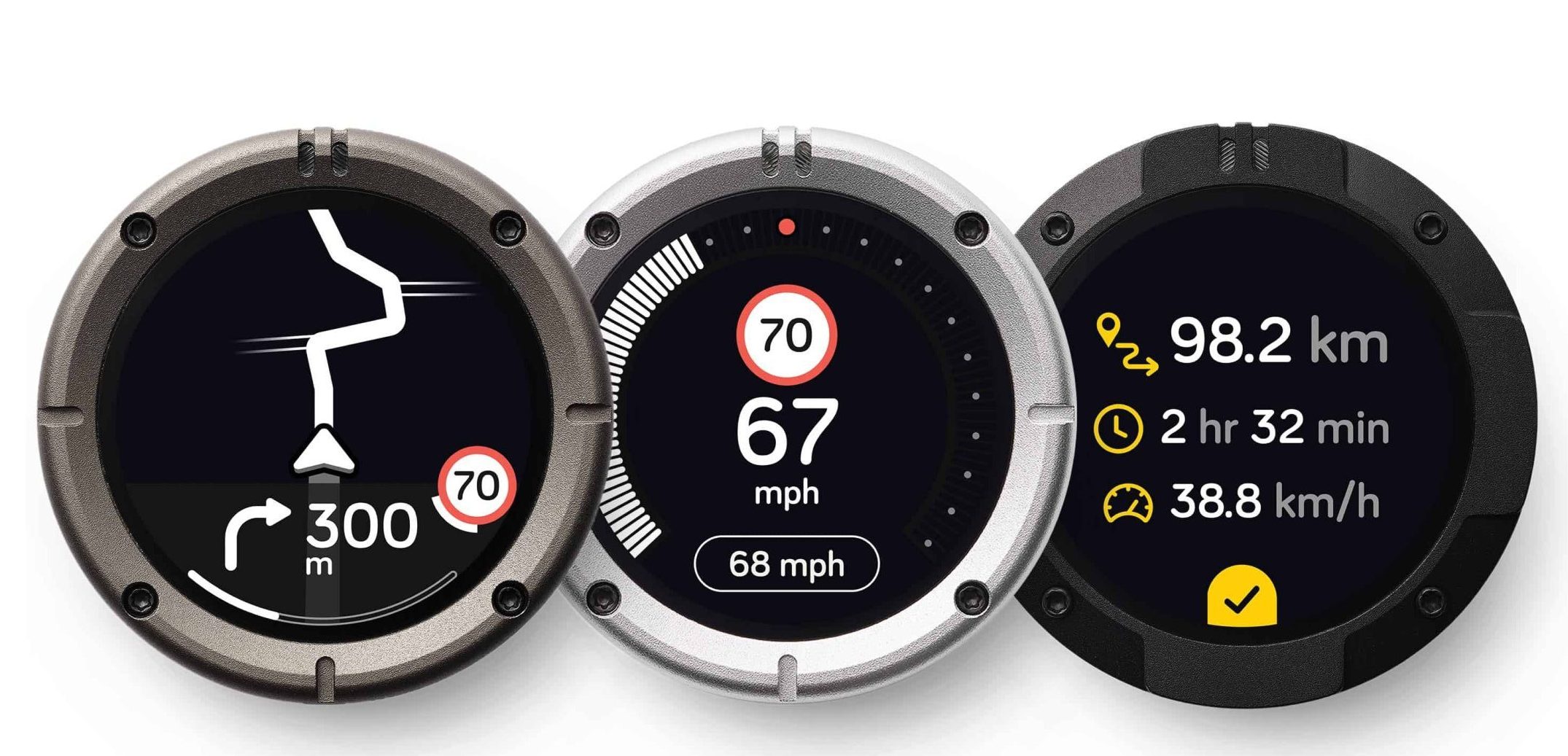
ABR: On this trip, I spent less time looking down at a screen. Was that always central to the Beeline philosophy?
TP: Yes, 100%. If we’re doing our job well, you won’t even notice there’s navigation there. You’ll just enjoy the ride and magically end up in the right place.

ABR: How much feedback from riders went into developing the Moto II, and what were some of the key lessons from the first-generation device?
TP: Feedback from our community is genuinely woven into our day-to-day. It feeds straight into our channels for the whole team to see, and it really shapes decisions. Moving from the first to the second generation, some changes were obvious: bigger screen, better buttons, improved usability. But others were more debated. I was initially hesitant about introducing the mini-map display as the arrow felt like part of our identity. But the feedback was consistent: riders wanted more clarity and more context. The mini-map delivered that. Looking back, it was absolutely the right call.

ABR: Plotting the Lap of Wales Challenge route and uploading the GPX was genuinely painless. How important was it to make route planning as straightforward as the riding side?
TP: Massively. Guidance is only one half of the navigation problem. Getting the right route and loading it in seamlessly is at least as important. So, we spend at least as much effort on this side of things. From route plotting and customisation in our app and web tools through to quick GPX imports when you’ve already got a route. We even do automatic loop route generation where you just enter a distance and it’ll create a route for you.

ABR: Wales in winter is a good stress test for any kit. What were the main challenges in making the Moto II properly waterproof and tough enough for year-round riding?
TP: A motorcycle in a Welsh winter is about as harsh an environment as it gets for electronics. Constant vibration, heavy rain, freezing mornings, and occasional sun. The challenge is building something properly sealed and robust without making it bulky or ugly. So, we obsess over the engineering details and then test them to death. One of my favourite bits of kit is a fish tank we rigged up with shower heads to simulate heavy rain. It looks a bit Blue Peter but it’s more effective than any test rig we could buy.

ABR: For someone buying a Moto II for the first time, what’s the best way to get the most out of it beyond just following directions on screen?
TP: My biggest tip would be to really play with the journey planning tools to get the most out of them. Both in the app and on the web planner. They’re intentionally simple on the surface, but there’s a lot you can do to tailor a route if you dig in a bit. The device itself is very intuitive, so as long as you cycle through all the modes, you can’t really go wrong.
ABR: Beeline has always had a strong design identity. How much thought goes into making a navigation device that actually looks at home on the bars of a bike like a GS?
TP: Thanks. A lot of thought goes into design and we hold ourselves to a high bar. A big part is not compromising. We’re not starting with a car SatNav or a generic app and tweaking around the edges. We exclusively think about designing products and navigation for bikes, so we start from the ground up with what will work best and look best on those.

ABR: Finally, you’ve got two special editions of the Moto II coming out soon. What can ABR readers expect from those, and why release them now?
TP: We have indeed. It’s been 10 years since Mark and I started Beeline at my kitchen table, so we wanted to do something special to celebrate that. The Classic Edition is a beautifully polished version for the classic and custom lovers, which will be a long-term addition to the range. The Anniversary Edition is a piece of art. Each one is individually machined with a beautiful knurling detail in jet black. It also includes a year of Beeline Plus membership and entry to win a motorcycle trip of a lifetime. We’re only making a few thousand though, so move fast.
You can find out more about the new additions to Beeline’s product line-up at www.beeline.co.